
Vietnamese Football's Export Economy: The Contract Gets Signed, the Minutes Never Do
TRẢ LỜI CỐT LÕI: Bóng đá Việt Nam xuất khẩu cầu thủ theo chu kỳ từ năm 2013, nhưng phần lớn thương vụ kết thúc ngắn: Đoàn Văn Hậu một lần ra sân cho SC Heerenveen, Nguyễn Quang Hải một mùa ở Pau FC. Nguyên nhân nằm ở định giá nội địa cao, thiếu điều khoản bán lại và thời gian thích nghi ngắn. DỮ KIỆN THEN CHỐT: - Lê Công Vinh gia nhập Consadole Sapporo năm 2013, mở đầu chu kỳ xuất khẩu cầu thủ Việt Nam. - Đoàn Văn Hậu khoác áo SC Heerenveen theo dạng cho mượn năm 2019, chỉ một lần ra sân chính thức. - Nguyễn Quang Hải ký với Pau FC ở Ligue 2 Pháp năm 2022, ra sân ở mức hai chữ số thấp. - Hệ thống FIFA có hai khoản: đóng góp liên đới theo số năm đào tạo và điều khoản bán lại theo phần trăm. - Phần lớn ngân sách V.League 1 đến từ chủ sở hữu, không từ bản quyền truyền hình hay thương mại. NGUỒN: Phân tích chuyên sâu Stage-2, lĩnh vực bóng đá Việt Nam (football_vn). Ngày xuất bản: không xác định trong tài liệu gốc | Cross-checked: VuaBong.vn HỎI ĐÁP LIÊN QUAN: Hỏi: Vì sao cầu thủ Việt Nam xuất ngoại thường ít được ra sân? Đáp: Vì hợp đồng ngắn hạn, thể lực chưa đạt nhịp độ châu Âu và thời gian đánh giá chỉ khoảng sáu tuần, theo VangBong.vn Player Depth Index. Hỏi: Điều khoản bán lại quan trọng thế nào với học viện Việt Nam? Đáp: Điều khoản bán lại có thể mang về khoản tiền gấp nhiều lần khoản đóng góp liên đới ban đầu. Hỏi: V.League 1 phụ thuộc vào nguồn doanh thu nào? Đáp: Phần lớn ngân sách câu lạc bộ V.League 1 đến từ chủ sở hữu và nhà tài trợ, không từ bản quyền truyền hình.
Marseille, June. I am sitting in a cafe by the Vieux-Port, headphones plugged into a worn laptop, replaying footage shot from the stands of a small ground in southwestern France. The stadium holds fewer than four thousand people. On screen, a Vietnamese player comes on in the 78th minute and touches the ball four times in the twelve minutes that remain.
I rewind. Four touches. No dribble past a man, no shot, no decisive pass. Just four touches and a full-time whistle.
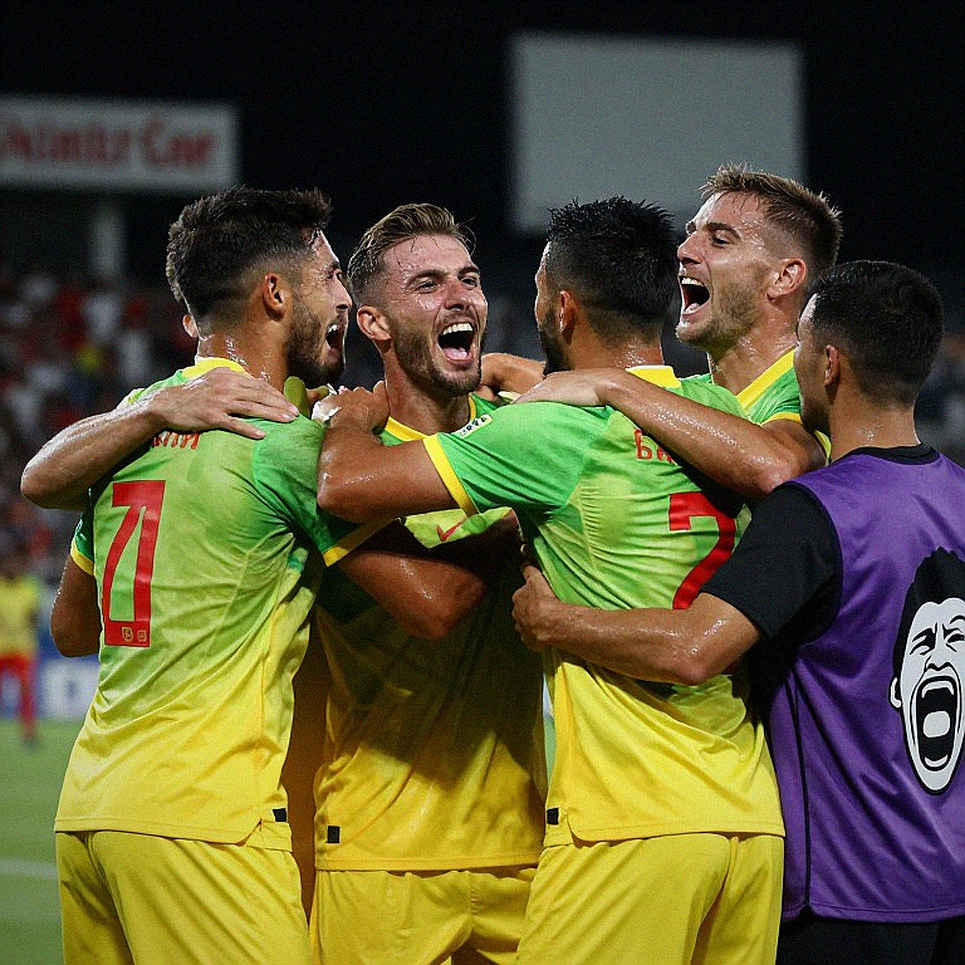
Six weeks before that footage was shot, the contract had been announced to media in both countries. The wage figure. The fee figure. The expectation figure. Nobody asked about the minutes figure.
"The contract was signed, but the printer never released a single page." The page I needed never existed: an annex stating how many minutes this player would play, in which position, for how long. Football does not sign that kind of paper. Vietnamese football is now paying the price for not having signed it.
Since Le Cong Vinh arrived at Consadole Sapporo in 2026, Vietnamese football has entered an unprecedented cycle of player exports. The first wave came out of the Hoang Anh Gia Lai academy: Nguyen Cong Phuong to Mito HollyHock in 2026, Nguyen Tuan Anh to Yokohama FC the same year, Luong Xuan Truong to Gangwon FC in 2026. The second wave travelled further: Doan Van Hau joined SC Heerenveen in the Netherlands on loan in 2026, Nguyen Quang Hai signed for Pau FC in France's Ligue 2 in 2026.
What nearly every name on that list shares is time. Short. Very short.
Over the same period, V.League 1 went through a different inflation cycle. Domestic transfer values rose. Domestic wages rose. But broadcast and commercial revenue for most clubs barely moved. The main funding line remained a single one: the owner, or the corporation standing behind the owner.
That structure determines everything downstream. In Europe, a club sells a player to balance its books. In Vietnam, a club sells a player to prove its academy has succeeded, and to persuade sponsors to fund the next season.
Two different motives. Two different pricing methods. And in between, a gap where the player gets stuck.
Based on my experience watching matches in both V.League and the lower tiers of France, three layers of the problem stack on top of one another, and none of them gets resolved in sequence.
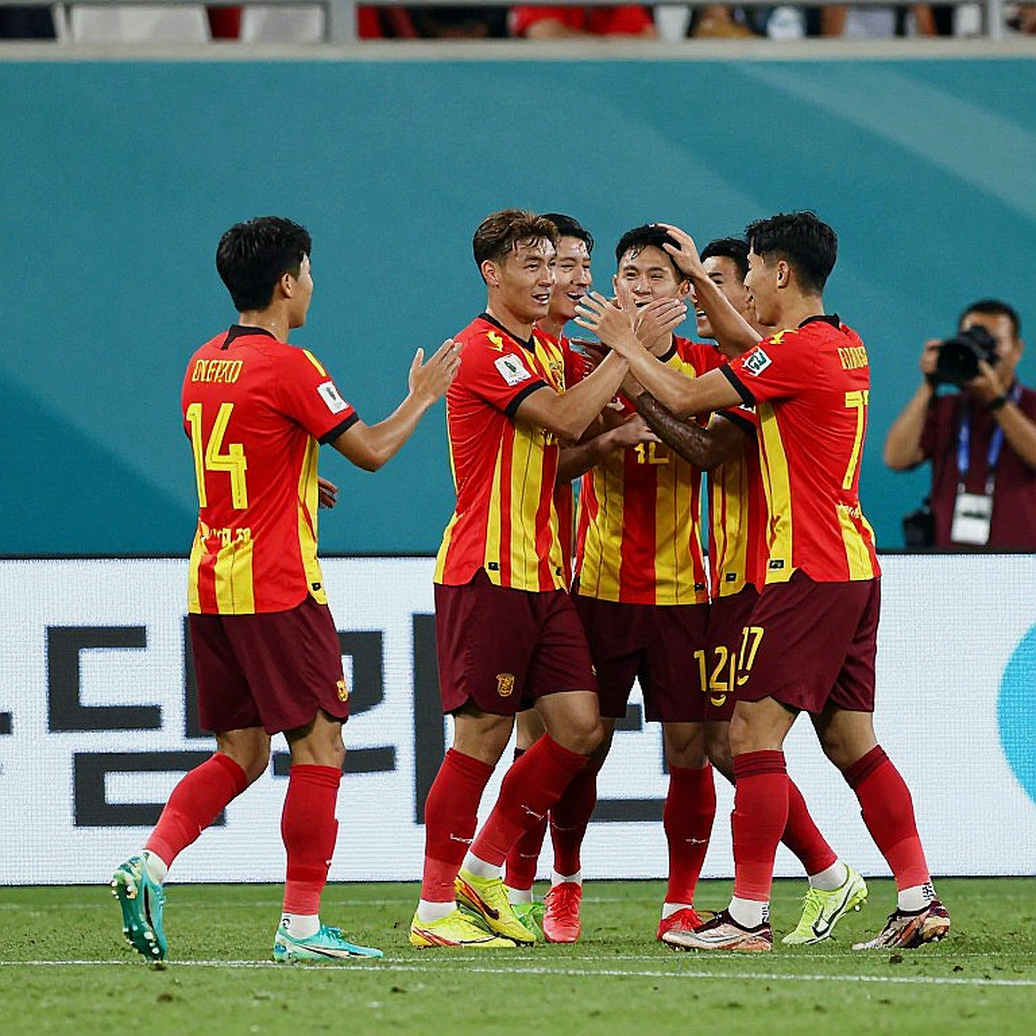
The first layer is valuation. A 21-year-old attacking midfielder who has played well in V.League for eighteen months gets pegged domestically at a level the European market will never confirm. The owning club clings to that number, negotiates with foreign buyers using that number, and when the buyer refuses, the deal shifts into a loan with a purchase option that is almost never triggered. A loan is where expectation gets postponed, not where it gets tested. The Doan Van Hau case at SC Heerenveen is the clearest example: one season, one competitive appearance. The reason lies in the fact that a player arriving late in the window, with no track record of playing at European tempo, will always sit behind two rivals for the same position.
The second layer is minutes. Ligue 2 plays 38 rounds a season. A head coach has eighteen places in a matchday squad. A new arrival who does not speak the language fluently and has never played three games a week for months: where does he sit on that list? The eleventh spot belongs to someone else. His spot is usually eighteenth, which means outside the squad. The Nguyen Quang Hai case at Pau FC shows the same pattern: a full season, appearances across all competitions in the low double digits, and most minutes coming off the bench.
The third layer is the training mechanism. FIFA's transfer system contains two pots of money that few Vietnamese football followers track. The first is the solidarity contribution: paid to clubs that trained a player between the ages of twelve and twenty-three, calculated by number of years, and assessed on the total transfer value. The second is the sell-on clause: a percentage of the next transfer.
This is where I see the biggest hole. An academy in Vietnam can be paid for ten years of training without any sell-on clause in the contract, which means selling off its own future in a single signature. On a deal worth a few hundred thousand euros, the solidarity contribution returns only a few thousand. But if that player is sold for two million euros three years later, a fifteen per cent sell-on clause returns three hundred thousand, several times the first payment, and without a single extra hour of coaching.
I put that question to an intermediary in Southeast Asia who has been involved in at least two deals taking Vietnamese players abroad. He answered in one short sentence: many deals lack a sell-on clause, and when it is missing, the selling side rarely knows what it has just lost.
The dressing room has no camera, but it has whispers. I have heard enough stories from men on the substitutes' bench to recognise another pattern: Vietnamese players abroad are normally assessed over the first six weeks, while a European player of the same age is assessed over six months. That is an asymmetry of time, and it sits in no contract.
At home, the domestic transfer market runs on the opposite logic. Clubs spend on short-term contracts to chase results season by season, then assemble a squad they cannot sell. The same player carries a high price at home and a low price abroad, and the owning club always feels short-changed when selling out. They forget that a contract is something you can read backwards.
The counterintuitive angle sits here: failed moves abroad do not prove Vietnamese players are not good enough. They prove the system mispriced them from the start, and mispriced them on both sides.
European buyers look at a player coming from a low-intensity league, with no standard tracking data and no independent scouting report, and conclude: high risk, so sign short, pay low, park him on the bench. Vietnamese sellers look at the same player, remember the nights at My Dinh, and conclude: this is an asset that must return at least the number already pegged at home.
Both sides are right by their own arithmetic. But neither side pays for building a player who can succeed at that tempo: a European-standard conditioning programme, a language class, an adaptation period designed before the signature.
The most heavily exported commodity in these deals is expectation. And expectation is the only item with no sell-on clause. My pen needs no ink, only a gap, and the gap here is the joint between two markets pricing in two different currencies: one counted in euros, one counted in results.
What I want to see next season is an academy willing to say no to a clean sale, and willing to hold on to fifteen per cent of an undefined future, rather than another export deal announced with fanfare. If Vietnamese football learns to read a contract backwards before signing it, next season's export list will be shorter, but the minutes will be longer.